Brain Health Supplements: What the Science Says in 2026
Omega-3, B vitamins, citicoline, magnesium L-threonate, lion's mane — which brain supplements have real evidence for protecting cognition long-term, and which are marketing hype.
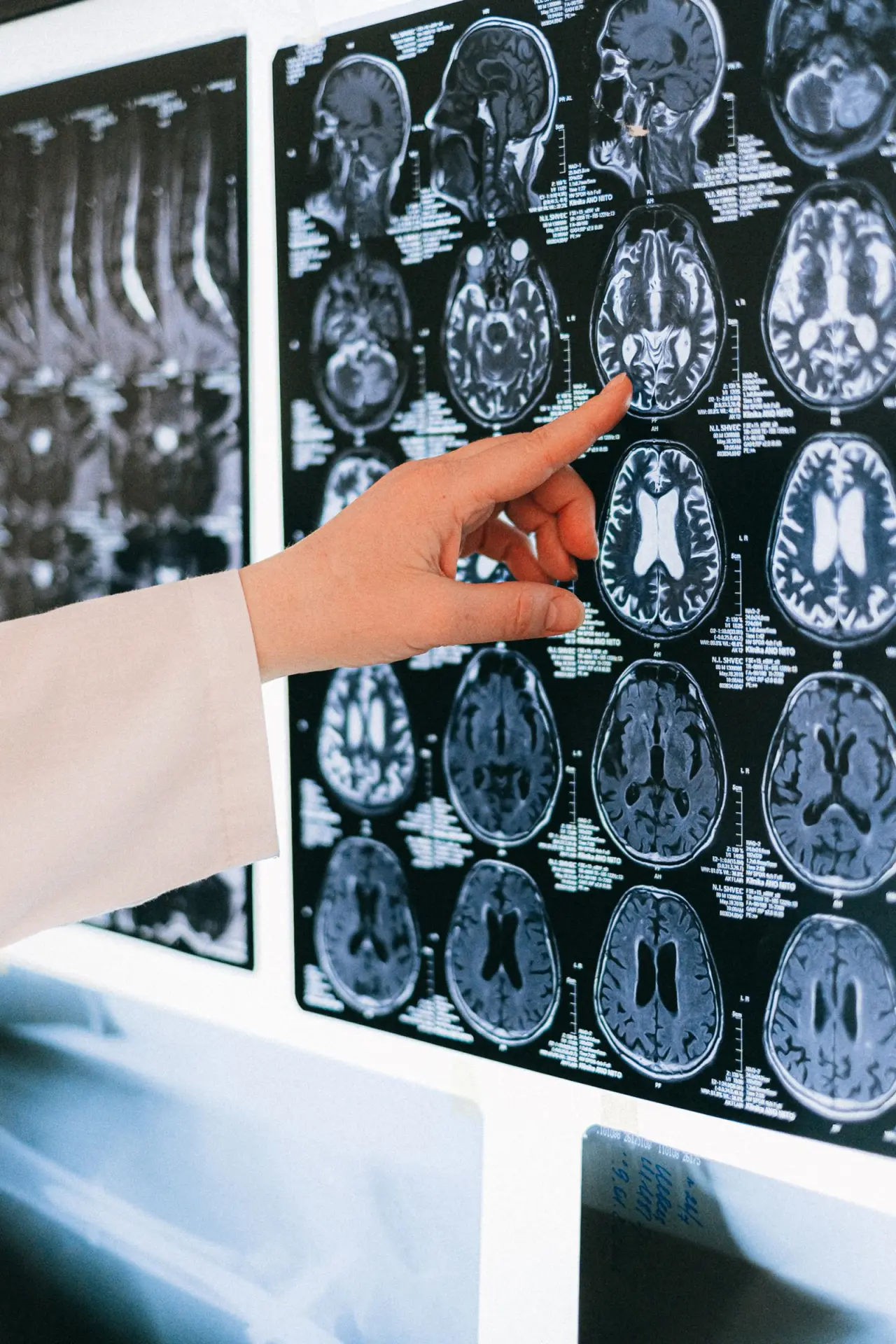
The cognitive supplement category is enormous and noisy, with most products selling proprietary blends at sub-therapeutic doses. The real research on protecting and enhancing brain function in 2026 points to a much shorter list of high-impact, well-dosed ingredients. This guide separates the evidence-backed from the heavily marketed, and shows how to build a practical brain-health stack that supports both daily cognition and long-term resilience.
How brain supplements actually work
Cognitive supplements work through a small number of mechanisms: providing structural building blocks (omega-3 fatty acids for membranes, choline for acetylcholine), supporting cellular energy production (B vitamins, creatine, CoQ10), modulating neurotransmitters (L-theanine, citicoline, magnesium), protecting against oxidative damage (omega-3, vitamin E, polyphenols), or supporting neuroplasticity (lion's mane, BDNF-stimulating compounds). The brain is the most metabolically expensive organ in the body — it uses 20% of your daily calories despite being 2% of body weight — so nutrient deficiencies show up here first.
Omega-3 (especially DHA): the structural foundation
DHA makes up about 30% of the brain's phospholipid fatty acids. Higher omega-3 index (a measure of EPA and DHA in red blood cells) is consistently associated with greater brain volume, better memory performance, slower age-related cognitive decline, and reduced risk of dementia in observational studies. Trials show modest cognitive benefits in adults with low baseline omega-3 status, and larger benefits in older adults with mild cognitive impairment. Practical dose: 1–2 g combined EPA + DHA daily, with DHA emphasized for cognitive applications (at least 500 mg DHA). Quality matters — buy triglyceride-form or re-esterified triglyceride fish oil from a tested brand, and store in the fridge. Smell-test before taking; rancid omega-3 is worse than no omega-3.
B vitamins: ceiling effects and the homocysteine story
B12, folate (B9), and B6 work together to regulate homocysteine — an amino acid that, when elevated, is associated with brain atrophy, cognitive decline, and dementia. Trials supplementing B vitamins in adults with elevated homocysteine show measurable slowing of brain shrinkage and cognitive decline. The catch: benefit is largely limited to people who are insufficient or whose homocysteine is elevated. If your B12, folate, and B6 are already in healthy ranges, additional supplementation produces diminishing returns. B12 deficiency is especially common in adults over 60, vegetarians, vegans, and people taking metformin or proton pump inhibitors — these groups should test and supplement if needed. A high-quality multivitamin like Multiedge provides clinically meaningful doses across the B complex.
Magnesium L-threonate: the brain-specific magnesium
Most magnesium forms only weakly cross the blood-brain barrier. Magnesium L-threonate (developed at MIT) is the only form clinically shown to meaningfully raise brain magnesium concentration. Trials in adults with subjective cognitive impairment show improvements in working memory, attention, and processing speed after 12 weeks of supplementation at 1.5–2 g daily (providing ~144 mg elemental magnesium). It's expensive relative to other forms, but for cognitive applications it's the form most worth the cost. Pair it with other magnesium forms (glycinate, citrate) to also get general body magnesium benefits — Triple-Mag covers all three.
Citicoline (CDP-choline): for acetylcholine and membrane support
Citicoline (also called CDP-choline) is a precursor to phosphatidylcholine (a major brain membrane component) and to acetylcholine (the neurotransmitter most involved in attention and memory). Trials show citicoline at 250–500 mg twice daily improves attention, memory recall, and focus in healthy adults, and shows benefit in adults with age-related cognitive decline. It's well tolerated and doesn't produce the choline-related fishy body odor that some choline supplements cause. Alpha-GPC is an alternative choline source with similar mechanisms but slightly different pharmacokinetics; both work, citicoline has more consistent evidence in healthy populations.
Creatine: not just for muscles
Creatine's reputation is built on muscle performance, but mounting research shows it also supports brain energy metabolism. Creatine increases the brain's phosphocreatine reserves, which are tapped under conditions of high cognitive demand — sleep deprivation, mental stress, complex problem-solving. Recent trials show 5 g daily of creatine monohydrate improves working memory and reaction time, particularly under sleep deprivation and in vegetarians (who consume less dietary creatine). The cognitive effects are most pronounced in people with low baseline creatine stores. It's cheap, extensively studied for safety, and one of the most underused brain supplements.
Lion's mane: promising but early
Lion's mane (Hericium erinaceus) is a medicinal mushroom containing compounds (hericenones, erinacines) that stimulate nerve growth factor (NGF) production in cell and animal models. Human evidence is more limited but encouraging — small trials in older adults with mild cognitive impairment have shown improvements on cognitive assessments after 12–16 weeks of supplementation at 1–3 g daily. Quality and standardization vary wildly between products; look for fruiting body extracts standardized to beta-glucans, not mycelium grown on grain. Lion's mane is generally well tolerated but the evidence base is younger than the marketing suggests.
What about Ginkgo, Bacopa, and other nootropics?
Ginkgo biloba has been heavily studied. Results are mixed — some trials in older adults show modest cognitive benefit at 240 mg/day for 6+ months, others show no effect in healthy adults. Bacopa monnieri has more consistent evidence for memory enhancement at 300 mg/day (standardized to 50% bacosides), but effects take 8–12 weeks to manifest. Phosphatidylserine has reasonable evidence for age-related memory decline. Compounds like piracetam, noopept, and most "racetams" are not legal supplements in the US and lack the safety data of more established options. Rhodiola rosea is best for stress-related fatigue rather than core cognition.
A practical evidence-based brain stack
For most adults focused on long-term cognitive health: Omega-3 (1.5 g combined EPA/DHA, emphasizing DHA), daily with food. A high-quality multivitamin covering B-complex (B12, folate, B6 at minimum), daily. Magnesium L-threonate (in combination with other forms — Triple-Mag covers this), nightly. Creatine monohydrate (5 g), daily. For sharper short-term cognition or demanding work periods, add citicoline (250–500 mg, morning). For longer-term neuroprotection: this stack plus lifestyle fundamentals — exercise (aerobic + strength), social engagement, learning new skills, and good sleep — has far more impact than any supplement combination alone.
Lifestyle factors that outpace any supplement
No supplement stack overcomes poor sleep, sedentary behavior, social isolation, or chronic stress. Aerobic exercise increases BDNF (brain-derived neurotrophic factor) more than any oral compound. Sleep clears beta-amyloid via the glymphatic system. The Mediterranean and MIND diets are associated with substantially reduced dementia risk. Learning new skills, social engagement, and stress management all show direct measurable effects on cognitive aging. Supplements support these foundations; they don't replace them.
Frequently asked
For memory specifically, the best-supported single supplement is omega-3 (DHA-dominant) at 1–2 g daily. Magnesium L-threonate has strong trial data for memory specifically. Creatine helps working memory under cognitive load. Citicoline improves both short-term and long-term recall.
Some do; many don't. Evidence-backed compounds include omega-3, B vitamins (when deficient), citicoline, creatine, L-theanine + caffeine, and magnesium L-threonate. Proprietary blends with sub-clinical doses and untested combinations generally don't deliver the marketed benefits.
It depends. L-theanine and caffeine effects are immediate (within an hour). Citicoline effects can be felt within days. Most other compounds — omega-3, B vitamins, Bacopa, lion's mane, magnesium L-threonate — require 6–12 weeks of consistent daily use before measurable benefits appear.
No supplement is proven to prevent dementia. However, addressing nutrient deficiencies (B12, folate, vitamin D, omega-3) is associated with reduced cognitive decline. The strongest dementia-risk-reduction interventions remain exercise, social engagement, blood pressure control, hearing health, education, and sleep.
Yes. Creatine monohydrate at 3–5 g daily has decades of safety data, including in the brain. It is generally well tolerated and is one of the most-studied supplements in existence.
A well-formulated multivitamin (with adequate B12, folate, B6, vitamin D, magnesium, and zinc) is a reasonable foundation, particularly for older adults, vegetarians, or anyone with restricted diets. It won't outperform a targeted stack for specific cognitive goals, but it covers the deficiency-driven downside risk.
Looking for the products mentioned here?
Related PrevHeal formulas: Multiedge · Triple-Mag
Disclaimer. This article is for educational purposes only and is not medical advice. PrevHeal products are dietary supplements and are not intended to diagnose, treat, cure, or prevent any disease. These statements have not been evaluated by the Food and Drug Administration. Consult your healthcare provider before starting any supplement, especially if you are pregnant, nursing, taking medications, or managing a medical condition.